

Construction projects throughout the San Francisco Bay Area represent significant investments in property, equipment, materials, labor, and time. From large commercial developments and residential communities to infrastructure projects and renovations, construction sites often contain thousands of dollars—or even millions of dollars—worth of equipment and materials. Unfortunately, these sites can also become attractive targets for theft, vandalism, trespassing, illegal dumping, and other security threats. With construction activity continuing throughout San Francisco, Oakland, San Jose, Sacramento, and surrounding communities, having trained security officers onsite can provide an important layer of protection.
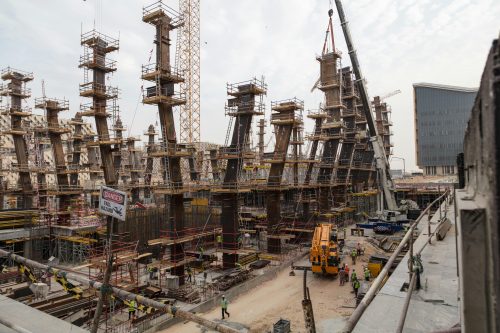
Unlike a completed commercial property or residential building, a construction site is typically an open and constantly changing environment. Fencing may be incomplete, lighting can be limited, and valuable materials may be temporarily stored outdoors. Heavy equipment, tools, copper wiring, building materials, generators, fuel, and other supplies can be difficult to secure completely. Construction sites may also have multiple access points, subcontractors coming and going, and areas that are difficult to monitor with cameras alone. A professional security officer can help address these vulnerabilities through a visible, proactive presence.
Construction Sites Are Attractive Targets for Theft
One of the biggest reasons to have security officers at a construction site is the prevention of theft. Construction projects frequently contain valuable materials and equipment that can be removed from a site relatively quickly. Copper wire, electrical components, tools, appliances, fuel, and other construction materials can be particularly attractive to thieves because they can be resold.
The financial consequences of construction theft extend beyond the value of the stolen property. When equipment or materials disappear, the project may experience delays while replacements are ordered. Contractors may have to reschedule workers, adjust project timelines, and absorb unexpected expenses. In some cases, a single theft can affect several trades that depend on the missing materials or equipment being available.
A uniformed security officer provides a visible deterrent against individuals who may be considering entering a property without authorization. Rather than simply discovering that something has been stolen after the fact, security personnel can monitor the property, challenge unauthorized individuals, document suspicious activity, and contact appropriate authorities when necessary.
Preventing Unauthorized Access and Trespassing
Construction sites can contain numerous hazards, including unfinished structures, open excavations, exposed electrical systems, heavy machinery, unstable surfaces, and elevated areas. Unauthorized individuals entering the property can place themselves and the construction company at significant risk.
Children, curious members of the public, trespassers, and individuals seeking shelter may attempt to enter construction sites after working hours. Security officers can help control access by monitoring entrances and exits, checking authorized personnel, and identifying individuals who do not have legitimate business on the property.
Access control is especially important on larger Bay Area construction projects where multiple contractors and subcontractors may be working simultaneously. A security officer can help verify that individuals entering the property are authorized and can report unusual access patterns to site management.
Protecting Equipment, Tools, and Materials
Construction companies depend heavily on expensive equipment to keep projects moving. Excavators, loaders, lifts, generators, compressors, trailers, power tools, and other machinery can represent substantial investments. Leaving this equipment unattended overnight can create opportunities for theft or unauthorized use.
Security officers can conduct regular patrols throughout the property, paying particular attention to equipment storage areas, material yards, parking areas, temporary buildings, and other vulnerable locations. Patrols can also identify unsecured gates, damaged fencing, suspicious vehicles, broken locks, and other conditions that may create security vulnerabilities.
A proactive patrol program can be particularly valuable during nights, weekends, and holidays when construction crews are not present. The presence of a security officer during these periods can discourage criminal activity while providing immediate eyes on the property.
Security During Off-Hours
Many construction sites are active during normal business hours but remain largely vacant overnight. Unfortunately, the absence of workers can make a site more vulnerable.
Overnight security officers can maintain a consistent presence when contractors and project managers have left for the day. Officers can monitor the property, perform scheduled patrols, inspect gates and perimeter areas, and document unusual activity. If an incident occurs, officers can follow established procedures and notify supervisors, site management, emergency services, or law enforcement as appropriate.
For larger projects, a combination of fixed-post security and mobile patrols may provide additional coverage. A guard stationed at the primary entrance can monitor access while roving officers periodically inspect other areas of the property.
Preventing Vandalism and Property Damage
Theft is not the only concern at construction sites. Vandalism can result in substantial repair costs and project delays. Graffiti, damaged equipment, broken windows, tampered locks, damaged fencing, and intentional destruction of construction materials can all create unnecessary expenses.
A visible security presence can discourage individuals from entering the property for the purpose of vandalism. Security officers can also document damage when it occurs, photograph affected areas, and provide detailed reports to construction management.
Documentation is particularly important when a project experiences repeated incidents. Security reports can help management identify patterns, determine when and where incidents are occurring, and make informed decisions about lighting, fencing, cameras, access control, and additional security coverage.
Security Officers and Construction Site Safety
Although security officers are not a replacement for a construction site’s safety program, they can contribute to overall site security and awareness. Officers can report hazards they observe during patrols, such as damaged fencing, open gates, unauthorized individuals, suspicious activity, or other conditions that require attention.
For example, an officer conducting an overnight patrol may discover that a gate has been left open or that a section of perimeter fencing has been damaged. Reporting these issues promptly can give site management an opportunity to correct the vulnerability before it results in theft, trespassing, or an injury.
Security personnel can also help maintain controlled access during special circumstances, such as deliveries, major construction phases, inspections, or periods when large numbers of subcontractors are onsite.
The Value of Detailed Security Reporting
Modern construction security involves much more than simply having an officer stand at a gate. Professional security companies can provide detailed documentation of activities and incidents throughout a shift.
Daily activity reports can record patrols, access-control activity, unusual observations, maintenance concerns, suspicious persons or vehicles, and incidents occurring on the property. Photographs and other documentation can provide additional information for construction managers and property owners.
Detailed reporting creates accountability and gives management a clearer understanding of what is happening at the property outside of normal working hours. It can also help identify recurring problems and determine whether additional security measures are necessary.
For construction companies managing multiple projects, standardized security reports can make it easier to review activity across different locations and communicate security information to project managers, property owners, and other stakeholders.
Security for Construction Sites Throughout the Bay Area
The San Francisco Bay Area includes a wide range of construction environments, from dense urban developments in San Francisco and Oakland to large residential and commercial projects throughout the East Bay, South Bay, Peninsula, and surrounding communities. Each location can present different security challenges.
Urban construction sites may have significant pedestrian traffic and numerous neighboring properties, making access control and trespassing concerns particularly important. Larger projects in suburban or industrial areas may have expansive perimeters, multiple entrances, equipment yards, and large amounts of material stored onsite.
Because every construction site is different, security coverage should be based on the property’s size, location, construction phase, hours of operation, access points, equipment and materials onsite, previous incidents, and overall risk profile.
Combining Security Officers With Technology
Security officers can also work alongside technology to create a more comprehensive security program. Surveillance cameras, access-control systems, lighting, alarms, fencing, and other security measures can help identify and deter suspicious activity. However, technology does not replace the value of having a trained professional physically present.
A camera can record someone entering a property, but an onsite officer can observe the individual in real time, investigate the situation, verify authorization, and respond according to established procedures. Similarly, an alarm can notify personnel that something has happened, while a security officer can investigate the area and provide immediate information to management or emergency responders.
The combination of physical security and technology can therefore create multiple layers of protection around a construction project.
A Proactive Approach to Construction Site Security
Effective construction site security should focus on prevention rather than simply reacting after an incident occurs. Before beginning an assignment, a professional security provider can conduct a site assessment to identify vulnerable areas and establish appropriate post orders.
Post orders can outline responsibilities such as access control, perimeter patrols, equipment checks, visitor procedures, emergency notifications, incident reporting, and communication with construction management. These procedures can then be adjusted as the project progresses and the site changes.
Construction sites are constantly evolving. New buildings are erected, temporary fencing moves, materials change locations, additional contractors arrive, and previously inaccessible areas become active work zones. Security procedures should evolve with the project.
Protecting the Investment
A construction project represents a major financial investment for developers, general contractors, property owners, subcontractors, and investors. Security should therefore be viewed as part of protecting that investment rather than simply an additional operating expense.
The cost of security can be relatively small compared with the potential financial impact of stolen equipment, damaged property, project delays, unauthorized access, or repeated vandalism. More importantly, a proactive security program can provide construction management with greater visibility and peace of mind.
A professional security officer becomes an additional set of eyes and ears at the property. Through regular patrols, access control, observation, communication, and detailed reporting, security personnel can help construction companies identify problems before they become larger and more expensive issues.
Conclusion
Construction sites throughout the San Francisco Bay Area face unique security challenges because they are constantly changing environments containing valuable equipment, materials, and infrastructure. Theft, vandalism, trespassing, unauthorized access, and property damage can create significant financial losses and disrupt construction schedules.
Having trained security officers onsite provides a visible deterrent while also giving construction companies a proactive resource for monitoring and protecting their property. Officers can control access, conduct patrols, monitor vulnerable areas, document incidents, report security concerns, and respond appropriately when suspicious activity occurs.
For construction companies, developers, general contractors, and property owners, investing in professional security can help protect valuable assets while keeping projects moving forward. When combined with proper lighting, fencing, surveillance technology, access-control procedures, and strong communication with site management, onsite security officers can become an important part of a comprehensive construction site security strategy in the San Francisco Bay Area.







No comment yet, add your voice below!